We Have to Rethink Human Rights, Part 2
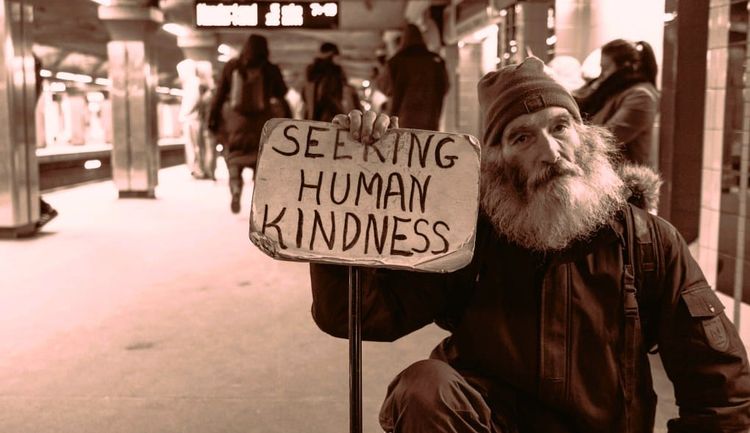
Building on Part 1, this post explores what lies beyond a single universal model of human rights. Drawing on diverse cultural traditions and philosophical systems, it makes the case for pluralistic approaches that honour different ways of understanding dignity and justice.
We Have to Rethink Human Rights, Part 1
What if ‘universal human rights’ are not actually universal, but a cleverly packaged Western export that has sometimes done more harm than good? This post challenges conventional thinking and argues for embracing multiple frameworks to strengthen human dignity worldwide.
Arendalsuka: Democracy in 2,000 sessions, 180 venues, 5 days, 190,000 participants ...
A beautiful Norwegian coastal town transforms into a giant open-air democracy festival. What Arendalsuka reveals about the power of inclusive, place-based democratic engagement – and what evaluation professionals can learn from it.
Modernising on our own terms
This post reflects on what it truly means to modernise development, and flourish on our own terms in the Global South – honouring heritage while embracing innovation, without imitating Western models.
Evaluation's Journey towards the Future, Part 4. It has always been political
Evaluation has never been neutral. Throughout history, the act of assessing has served as both instrument of control and catalyst for justice. This post examines how power, politics and ideology have always shaped what gets evaluated, by whom, and for what purpose.
Evaluation’s Journey towards the Future, Part 2. How did we get here?
From ancient aquifers to modern canals: how evaluation evolved from intuitive human practice into a structured profession. Tracing the currents that carried evaluative thinking from millennia-old traditions into the formalised field we know today.
Evaluation’s Journey towards the future, Part 1: Ancient tributaries
As we chart evaluation’s future, its earliest beginnings continue to shape the field. From ancient Egypt’s Nile governance to China’s imperial examinations, from Indigenous knowledge systems to Athenian civic audits – a vivid journey through five millennia of evaluative practice.
Nine Reasons for Hope and Optimism. And why we need to seize this moment.
Despite the polycrisis, this is also a time to celebrate. Nine reasons for genuine hope – from shifting power dynamics to regenerative movements – and why evaluation professionals and change-makers should seize this exceptional moment.
Seven Reasons for Outrage. And why anger is not the answer.
From broken multilateralism to rising authoritarianism, there are powerful reasons for outrage in our hyperconnected world. But anger alone will not serve us. This post names seven structural failures demanding our attention — and argues for channelling outrage into purposeful action.
The Power(lessness) of Evaluation: The case of Afghanistan
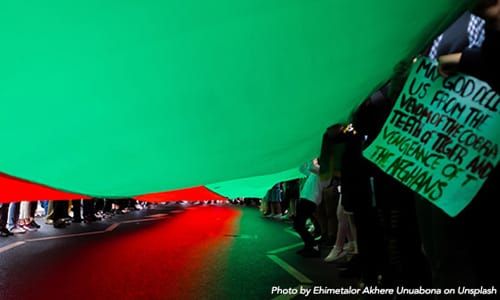
More than 60 evaluation reports over 13 years by the Special Inspector General for Afghanistan Reconstruction (SIGAR): a perfect example of evaluation’s power, and its powerlessness. The damage done — hundreds of thousands of lives and trillions of dollars — when evaluation evidence is ignored.