We Have to Rethink Human Rights, Part 2
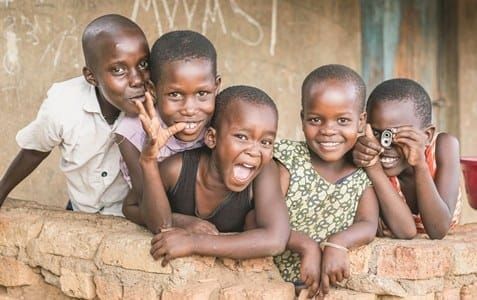
Building on Part 1, this post explores what lies beyond a single universal model of human rights. Drawing on diverse cultural traditions and philosophical systems, it makes the case for pluralistic approaches that honour different ways of understanding dignity and justice.
We Have to Rethink Human Rights, Part 1
What if ‘universal human rights’ are not actually universal, but a cleverly packaged Western export that has sometimes done more harm than good? This post challenges conventional thinking and argues for embracing multiple frameworks to strengthen human dignity worldwide.
Arendalsuka: Democracy in 2,000 sessions, 180 venues, 5 days, 190,000 participants ...
A beautiful Norwegian coastal town transforms into a giant open-air democracy festival. What Arendalsuka reveals about the power of inclusive, place-based democratic engagement – and what evaluation professionals can learn from it.
Modernising on our own terms
This post reflects on what it truly means to modernise development, and flourish on our own terms in the Global South – honouring heritage while embracing innovation, without imitating Western models.
Words have Weight
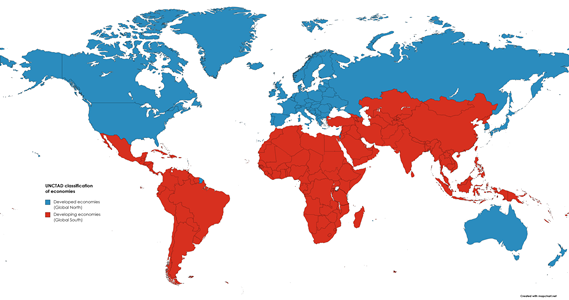
Why do we still tolerate the terminology of ‘Developed’ and ‘Developing’ countries? Words create images and dominant narratives that insidiously shape how we think. A brief reflection on how language reinforces power imbalances in global development.
The Zoo of Future Risks
Part of a series of thought morsels. This one is fun but also sobering – a look at the colourful menagerie of animal metaphors we use for the risks shaping our future, from black swans to grey rhinos to dragon kings.
Evaluation's Journey towards the Future, Part 4. It has always been political
Evaluation has never been neutral. Throughout history, the act of assessing has served as both instrument of control and catalyst for justice. This post examines how power, politics and ideology have always shaped what gets evaluated, by whom, and for what purpose.