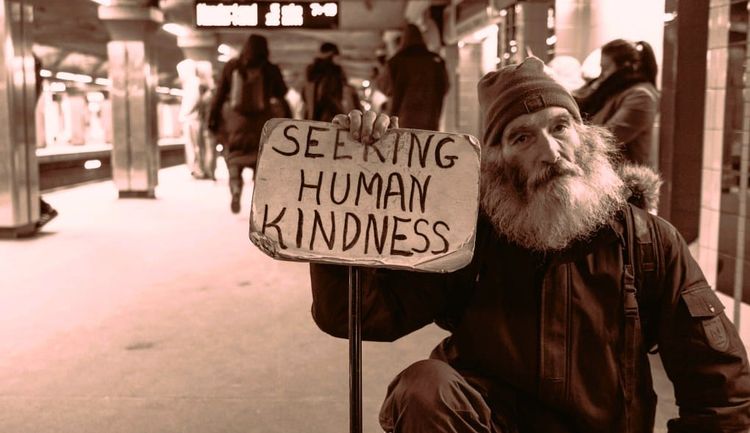
We Have to Rethink Human Rights, Part 2
Building on Part 1, this post explores what lies beyond a single universal model of human rights. Drawing on diverse cultural traditions and philosophical systems, it makes the case for pluralistic approaches that honour different ways of understanding dignity and justice.
We Have to Rethink Human Rights, Part 1
What if ‘universal human rights’ are not actually universal, but a cleverly packaged Western export that has sometimes done more harm than good? This post challenges conventional thinking and argues for embracing multiple frameworks to strengthen human dignity worldwide.
The Zoo of Future Risks
Part of a series of thought morsels. This one is fun but also sobering – a look at the colourful menagerie of animal metaphors we use for the risks shaping our future, from black swans to grey rhinos to dragon kings.
Evaluation's Journey towards the Future, Part 3. The tributaries that make up our field
Evaluation does not flow from a single source. Like a river fed by countless tributaries, it draws from government accountability, Indigenous wisdom, professional practice, academic research, digital innovation and activist movements.
Evaluation’s Journey towards the Future, Part 2. How did we get here?
From ancient aquifers to modern canals: how evaluation evolved from intuitive human practice into a structured profession. Tracing the currents that carried evaluative thinking from millennia-old traditions into the formalised field we know today.
Evaluation’s Journey towards the future, Part 1: Ancient tributaries
As we chart evaluation’s future, its earliest beginnings continue to shape the field. From ancient Egypt’s Nile governance to China’s imperial examinations, from Indigenous knowledge systems to Athenian civic audits – a vivid journey through five millennia of evaluative practice.
“What went wrong with woke?” The problem of measurement and influence.
How twisted narratives and simplistic measures can destroy a major effort to do good. This post examines what the backlash against ESG and ‘woke’ culture reveals about the dangers of poor measurement, ideological capture, and evaluation’s role in defending evidence-based progress